Fibromyalgia can lead to unusual fibromyalgia symptoms in some people. Knowing the range of symptoms this condition can produce may help with diagnosis and treatment.
According to experts, fibromyalgia affects about 4 million persons in the US. Widespread discomfort, mental confusion, and mood swings are all symptoms of this illness. There are, however, a lot more, less typical indicators that a person could encounter.
Learn what other symptoms could indicate fibromyalgia, what causes them, and how to treat them by reading on.
Can tingling and numbness indicate fibromyalgia?
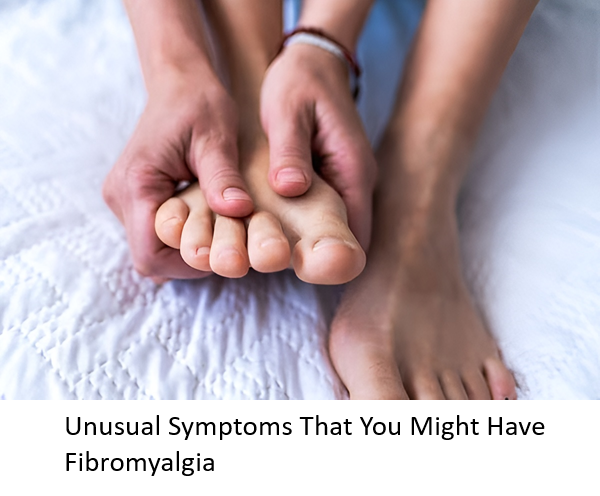
Because the nerves in the extremities (arms, legs, hands, and feet) are too sensitive or squeezed, fibromyalgia may result in paresthesia, or numbness and tingling. It could have a prickling or burning feeling.
The goal of paresthesia treatment is to deal with the underlying cause. In this instance, fibromyalgia can be treated with a variety of drugs that target inflammation and nerve pain.
Topical painkillers and over-the-counter (OTC) painkillers can be used to treat paresthesia at home.
Unusual Fibromyalgia Symptoms:
Restless leg syndrome might be a sign of fibromyalgia after all.
Uncomfortable leg sensations (itching, throbbing, etc.) and a need to move the legs are symptoms of restless leg syndrome (RLS). Up to 99% of fibromyalgia sufferers experience sleep problems, which are linked to RLS.
Although there is no known cure for RLS, it can be treated with iron supplements, benzodiazepines, antiseizure medications, and, in extreme situations, opioids. Dopaminergic drugs, which raise dopamine levels, may also be beneficial, although prolonged usage may result in negative effects.
RLS management at home entails:
- abstaining from alcohol, coffee, and smoking while maintaining proper sleep hygiene
- Engaging in frequent physical activity, such as stretching
- bathing in warm water
- applying cold packs or heating pads
Is interstitial cystitis a sign of fibromyalgia?
The bladder ailment known as interstitial cystitis (IC) is characterized by pressure and pain. Although the precise origin of IC is uncertain, inflammation and stress are potential triggers.
IC does not have a specific treatment. Rather, treatment is tailored to each patient and may include:
- Pelvic floor therapy
- medicines
- bladder training
Your doctor might advise altering your diet, quitting smoking, and lowering your stress levels. Other crucial actions you can take to treat IC include drinking plenty of water and exercising frequently.
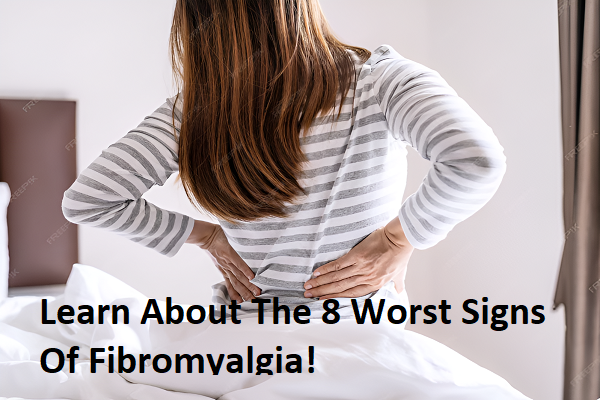
Can pain in the paraspinal lumbar area mean you have fibromyalgia?
Back discomfort is another name for paraspinal lumbar tenderness. The overall muscle soreness, stiffness, and tenderness experienced in various body areas may be associated with this possible fibromyalgia symptom.
Back pain may affect up to 52% of fibromyalgia sufferers. It may radiate down to the glutes from the upper or lower back (Trusted Source).
The severity of back pain determines the course of treatment. Prescription drugs like duloxetine and tramadol can be used to treat it.
Other potential therapies include chiropractic care, massage, acupuncture, and physical therapy.
Heating pads and over-the-counter nonsteroidal anti-inflammatory medicines (NSAIDs) can be used at home to treat back discomfort.
Is touch sensitivity a symptom of fibromyalgia?
Allodynia, another name for hypersensitivity to touch, may be brought on by conflicting signals from brain neurons that give pain signals when there isn’t any actual pain. The actual cause is mostly unknown, according to researchers (Trusted Source).
Individual treatment is provided for allodynia. In order to receive physical therapy, psychological support, and oral drugs (such as NSAIDs and calcium channel antagonists) for your pain, you might collaborate with a pain clinic.
Allodynia may worsen over time if treatment is not received. By practicing stress reduction and acknowledging that the pain might not entirely disappear, you can manage it.
Other unusual symptoms and indicators
Everybody is affected with fibromyalgia differently. In addition to the typical symptoms, fibromyalgia can manifest in a number of unusual, less common ways.
They could consist of:
Sweating excessively (hyperhidrosis)
lumps on the skin (lipomas)
Dystonia, or muscular spasms
Jaw or facial pain (such as temporomandibular joint syndrome)
digestive problems (such as bloating, constipation, or irritable bowel syndrome)
Your doctor may recommend therapies for the fibromyalgia itself, or they may focus on the particular symptom or symptoms.
Among the medications are:
- Milnacipran (Savella)
- duloxetine (Cymbalta)
- Pregabalin (Lyrica)
Common inquiries
What condition is frequently mistaken for fibromyalgia?
Fibromyalgia can be mimicked by a number of conditions. These ailments include obstructive sleep apnea, rheumatoid arthritis, and Lyme disease.
How bad can fibromyalgia get?
A person’s quality of life can be greatly impacted by fibromyalgia. Compared to the general population, individuals with this illness report increased incidence of mental health crises, depression, and hospitalizations.
Which fibromyalgia symptoms are the worst?
The “worst symptoms” may vary from person to person. People with fibromyalgia anecdotally claimed that persistent fatigue was one of their worst symptoms in an earlier study (Trusted Source).
Takeaway
Make an appointment with your physician if you encounter symptoms that worry you.
Numerous signs and symptoms can be caused by fibromyalgia. Both medical assistance and self-management techniques, including as taking specific drugs, enhancing sleep patterns, and getting regular exercise, can be used to treat each.
Sourse:https://www.healthline.com/health/fibromyalgia/rare-fibromyalgia-symptoms?utm_source=ReadNextRAAS#takeaway