I remember sitting in my car in a parking lot, too tired to walk into the grocery store, wondering why a full eight hours of sleep left me feeling like I’d been hit by a truck. That was years before anyone said the word “fibromyalgia” to me. Looking back now, the fibromyalgia early signs and symptoms were all there — I just didn’t have a name for them, so I chalked everything up to stress, bad posture, or “just getting older.” If you’re reading this because something similar is happening to you or someone you love, I want to walk you through what I’ve learned, both from my own experience and from talking to other people living with this condition.
It Doesn’t Start With a Diagnosis — It Starts With Confusion
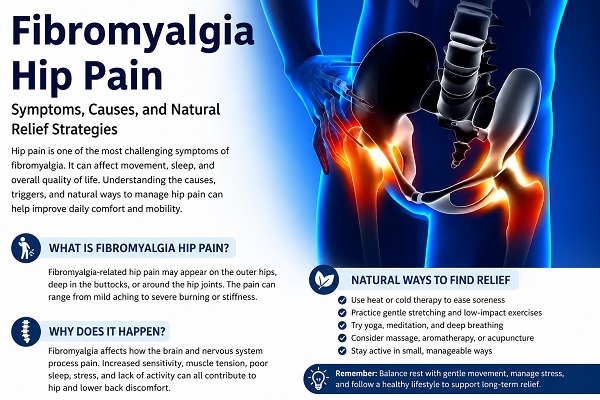
Nobody wakes up one day and immediately knows they have fibromyalgia. It creeps in. One week it’s a stiff neck. A month later it’s your hips aching for no reason. Then the fatigue shows up and refuses to leave, no matter how much you rest.
That’s actually one of the trickiest things about fibromyalgia early signs and symptoms — they overlap with so many other things. Overwork, thyroid issues, arthritis, even just a rough patch of life. Doctors often run through a checklist of other conditions first, which is part of why it can take years to get an actual diagnosis. I went through blood tests, an MRI, and two different specialists before anyone even brought up fibromyalgia as a possibility.
The Symptoms That Showed Up First (In My Experience)
Everyone’s body tells this story a little differently, but here’s the pattern I noticed in myself, and one I’ve heard echoed by a lot of people in online fibromyalgia support groups.
1. Pain That Moves Around and Doesn’t Make Sense
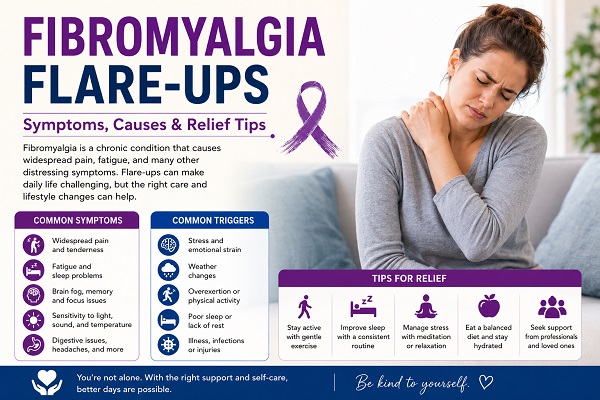
At first it was my shoulders. Then my lower back. Then, randomly, the tops of my feet. It wasn’t the kind of pain you get from lifting something heavy — it was a dull, deep ache that seemed to travel. If you press on certain spots (near the neck, hips, or knees) and it feels far more tender than it should, that’s worth paying attention to.
2. Fatigue That Sleep Doesn’t Fix
This one confused me the most. I wasn’t staying up late or skipping meals. I’d sleep a full night and still wake up feeling like I hadn’t slept at all. Regular tiredness gets better with rest. This kind doesn’t, and that distinction is honestly one of the clearest fibromyalgia early signs and symptoms to watch for.
3. Waking Up Stiff, Like Your Joints Rusted Overnight
Mornings were rough. It would take me a solid twenty or thirty minutes of slow movement before my body loosened up enough to feel normal. It reminded me of how you feel after sitting in one position on a long flight — except it happened every single morning.
4. Brain Fog
I started forgetting simple words mid-sentence. I’d walk into a room and forget why. I actually thought this was early burnout from work, but it kept happening even during slow, low-stress weeks. This “fibro fog,” as a lot of patients call it, is a real and common part of the condition, not just tiredness playing tricks on you.
5. Headaches That Wouldn’t Quit
I started getting tension headaches almost weekly, sometimes tipping into migraine territory. It wasn’t until I mentioned this alongside the muscle pain that a doctor connected the dots.
6. Sensitivity to Touch, Temperature, and Even Light
Cold rooms started bothering me more than they used to. Certain fabrics felt scratchy against my skin. Bright light gave me headaches faster than before. This heightened sensitivity is one of those symptoms people rarely talk about, but it’s a genuine piece of the fibromyalgia early signs and symptoms puzzle.
7. Mood Changes and Low-Level Anxiety
Chronic pain wears on your mental health, and for me, that showed up as irritability and a kind of background anxiety I couldn’t quite explain. It wasn’t dramatic — just a constant low hum of “something is off.”
A Mistake I Made (So You Don’t Have To)
For almost a year, I pushed through the pain by exercising harder, thinking I just needed to “get in shape.” That backfired badly. Overexertion made my symptoms worse, not better. If your body is sending you these signals, the answer usually isn’t to grind through it — it’s to get checked out and adjust your activity level, not eliminate it entirely, just make it smarter.
Step-by-Step: What Actually Helped Me Get Answers
- Start a symptom diary. I used a simple notes app on my phone, though apps like Bearable and CareClinic are built specifically for tracking chronic symptoms, sleep, and mood over time. Write down what hurt, when, and what you were doing beforehand.
- Track your sleep quality, not just hours. A basic fitness tracker (I used a cheap one, nothing fancy) helped me notice that even on nights I slept eight hours, my deep sleep was minimal.
- Bring patterns, not just complaints, to your doctor. Saying “I’m tired” gets dismissed easily. Saying “I have widespread pain in these specific areas, morning stiffness lasting 30+ minutes, and fatigue that doesn’t improve with rest” gets taken more seriously.
- Ask specifically about fibromyalgia. Don’t assume your doctor will bring it up first. Mention it by name if your symptoms match.
- Get ruled out for other conditions. Things like hypothyroidism, lupus, and rheumatoid arthritis can look similar, so proper testing matters before settling on a fibromyalgia diagnosis.
Real-Life Example: How It Showed Up for a Friend
A friend of mine noticed her fibromyalgia early signs and symptoms differently than I did. Hers started almost entirely with digestive issues and jaw pain (TMJ-related), alongside the fatigue. It took her longer to get diagnosed because doctors kept treating the digestive symptoms separately from the pain. This is a good reminder that this condition doesn’t follow one script — two people can have very different starting points.
Common Mistakes People Make Early On
- Ignoring symptoms because nothing “shows up” on scans. Fibromyalgia doesn’t cause visible tissue damage, so normal test results don’t mean nothing is wrong.
- Assuming it’s “just stress” and never following up. Stress can worsen symptoms, but it’s rarely the whole story.
- Overexercising to “push through it.” As I mentioned, this often backfires.
- Waiting too long to see a specialist. The earlier you get evaluated, the sooner you can start managing things instead of guessing.
- Comparing your symptoms exactly to someone else’s. Since presentation varies so much, dismissing fibromyalgia because your case doesn’t match a checklist perfectly can delay diagnosis.
Final Thoughts
If there’s one thing I’d tell my past self sitting in that parking lot, it’s this: don’t ignore a pattern just because each individual symptom seems small on its own. Recognizing fibromyalgia early signs and symptoms isn’t about panicking over every ache — it’s about noticing when pain, fatigue, stiffness, and brain fog start showing up together and sticking around. Trust that pattern, write it down, and take it seriously enough to bring to a doctor.
This isn’t medical advice, and only a healthcare professional can actually diagnose fibromyalgia — but paying attention early made a real difference in how quickly I got support and started feeling more like myself again.