Fibromyalgia is a long-term condition that affects the muscles and soft tissues throughout the body. It is commonly associated with widespread pain, fatigue, sleep disturbances, and sensitivity in certain areas. Although researchers around the world have studied fibromyalgia for many years, its exact cause is still not fully understood.
The condition was officially recognized in 1990 by the American College of Rheumatology, which introduced early diagnostic guidelines based on widespread pain and tender points. Over time, newer diagnostic methods focused more on symptom severity, fatigue, sleep quality, and pain patterns rather than only pressure-sensitive spots.
Among the many symptoms linked to fibromyalgia, hip pain is one of the most challenging because it can interfere with walking, sleeping, and daily movement.
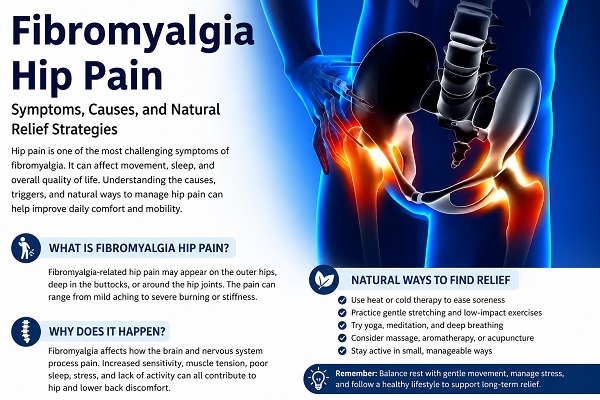
What Is Fibromyalgia Hip Pain?
Hip pain related to fibromyalgia can range from mild discomfort to severe aching sensations. Some people feel soreness on the outer side of the hips, while others experience pain deep in the buttocks or around the hip joints.
The pain may become worse after:
- Sitting for long periods
- Physical activity
- Poor sleep
- Stress or anxiety
- Weather changes
Many individuals also report stiffness, burning sensations, or tenderness around the hips and lower back.
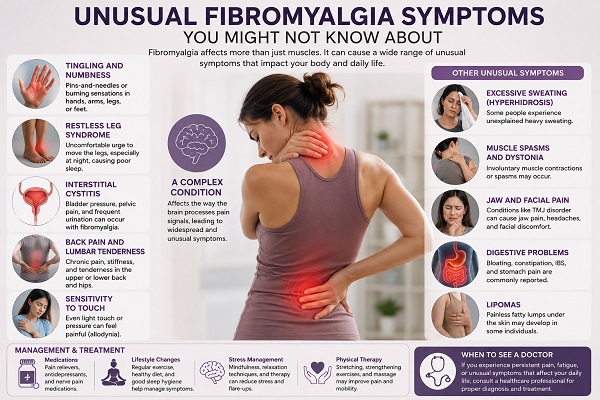
Common Symptoms of Fibromyalgia
Fibromyalgia affects both physical and emotional well-being. Symptoms often vary from person to person, but the most common include:
- Widespread body pain
- Chronic fatigue
- Hip, neck, shoulder, or back pain
- Morning stiffness
- Sleep difficulties
- Headaches or migraines
- Muscle tenderness
- Anxiety and depression
- Memory and concentration problems
- Tingling or numbness in the limbs
Women are diagnosed with fibromyalgia more often than men. Some women may also experience additional symptoms such as pelvic pain, painful menstrual cycles, or premenstrual discomfort.
Why Does Fibromyalgia Cause Hip Pain?
Researchers believe fibromyalgia affects how the brain and nervous system process pain signals. In people with fibromyalgia, the body may react more strongly to sensations that would normally not be painful.
Studies suggest that hip pain can develop due to several factors, including:
- Muscle tightness around the hips
- Reduced physical activity
- Sleep disruption
- Stress-related tension
- Lower back problems
- Increased sensitivity in soft tissues
Because the hips support body weight and movement, even minor inflammation or muscle tension may lead to significant discomfort in fibromyalgia patients.
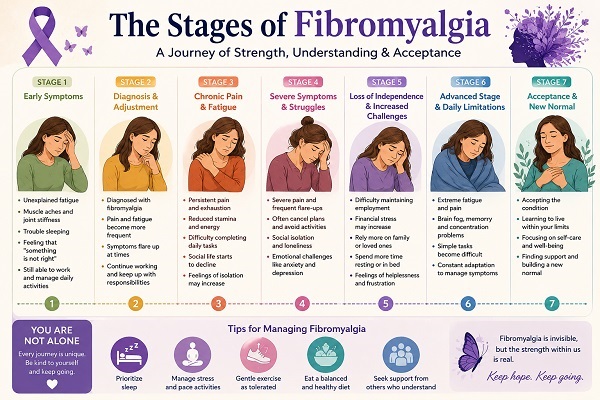
The Impact of Fibromyalgia on Daily Life

Living with fibromyalgia can be physically and emotionally exhausting. Persistent pain and fatigue may make routine activities difficult, including walking, climbing stairs, working, or even getting enough rest.
People with chronic pain often experience:
- Poor sleep quality
- Reduced energy levels
- Mood changes
- Difficulty staying active
- Increased stress and frustration
Over time, inactivity may contribute to stiffness and reduced mobility, making symptoms feel even worse.
Natural Ways to Relieve Fibromyalgia Hip Pain
Although there is currently no permanent cure for fibromyalgia, several treatments and lifestyle changes may help reduce pain and improve quality of life.
1. Heat and Cold Therapy
Warm compresses or heating pads can relax tense muscles and improve circulation. Cold packs may help calm soreness and reduce inflammation in painful areas.
Some people find alternating between heat and cold therapy especially helpful.
2. Gentle Stretching
Stretching helps maintain flexibility and reduce stiffness in the hips and lower back. Slow, controlled movements are usually better than intense stretching exercises.
People with severe pain should avoid overexertion and consider seeking guidance from a qualified physical therapist or yoga instructor.
3. Low-Impact Exercise
Regular movement may help reduce chronic pain and improve overall mobility. Beneficial activities include:
- Walking
- Swimming
- Yoga
- Light cycling
- Water aerobics
Exercise can also improve sleep quality and lower stress levels, both of which are important for fibromyalgia management.
4. Yoga and Relaxation Techniques
Yoga combines stretching, breathing exercises, and relaxation practices that may help ease muscle tension and stress. Some studies suggest yoga may support better sleep and reduce fatigue in individuals with fibromyalgia.
Meditation and deep breathing exercises may also help calm the nervous system and improve emotional well-being.
5. Aromatherapy and Massage
Aromatherapy and gentle massage may promote relaxation and temporarily ease muscle soreness. Certain essential oils are commonly used to support stress relief and relaxation.
6. Acupuncture
Acupuncture is another alternative therapy that some individuals use to manage chronic pain. It may help stimulate circulation and reduce discomfort for certain patients.
The Importance of Staying Active
Avoiding movement completely can sometimes worsen fibromyalgia symptoms. While rest is important during flare-ups, long periods of inactivity may increase stiffness and muscle weakness.
The key is finding a balance between activity and recovery. Short, gentle exercise sessions are often more effective than intense workouts.
Managing Fibromyalgia Through Education and Support
Understanding fibromyalgia can make it easier to cope with the condition. Learning how pain affects the body and recognizing personal triggers may help patients manage symptoms more effectively.
A treatment plan may include:
- Medical guidance
- Physical therapy
- Stress management
- Healthy eating habits
- Regular physical activity
- Improved sleep routines
Support from healthcare professionals, family members, and support groups can also play an important role in long-term management.
Final Thoughts
Fibromyalgia hip pain can significantly affect daily comfort and mobility, but many people find relief through a combination of lifestyle adjustments, gentle exercise, stress management, and supportive therapies.
Because symptoms vary from person to person, treatment should focus on individual needs and long-term symptom management. Early attention to pain, healthy daily habits, and proper support may help improve overall quality of life for those living with fibromyalgia.