
If you live with fibromyalgia, you already know that “muscle pain” barely covers it. It’s the deep, gnawing ache that settles into your shoulders by mid-afternoon. It’s the stiffness that makes getting out of bed feel like wading through wet cement. It’s the burning sensation that can move from your neck to your thighs in the space of an hour, for no reason you can point to.
Fibromyalgia muscle pain is one of the most disabling and least understood symptoms of this condition, affecting an estimated 4 million adults in the United States alone. Unlike the soreness from a hard workout, this pain doesn’t respond to rest the way you’d expect, and it often defies simple explanations. But it isn’t random, either — there’s real science behind why your muscles hurt the way they do, and there are practical, evidence-informed ways to dial the pain down.
In this guide, we’ll break down what’s actually happening in your body during a fibromyalgia muscle pain flare, the most common triggers patients report, and a set of relief strategies — from the well-studied to the surprisingly simple — that people living with fibromyalgia turn to every day.
What Is Fibromyalgia Muscle Pain, Exactly?
Fibromyalgia is a chronic condition characterized by widespread musculoskeletal pain, along with fatigue, sleep problems, and mood or memory issues. The muscle pain associated with it isn’t caused by inflammation or muscle damage in the way arthritis or an injury would be. Instead, current research points to central sensitization — a state in which the brain and spinal cord amplify pain signals, making ordinary sensations feel painful and mild pain feel severe.
Key Characteristics of Fibromyalgia Muscle Pain
- Widespread: Typically affects both sides of the body, above and below the waist.
- Migratory: Pain can shift location from day to day or even hour to hour.
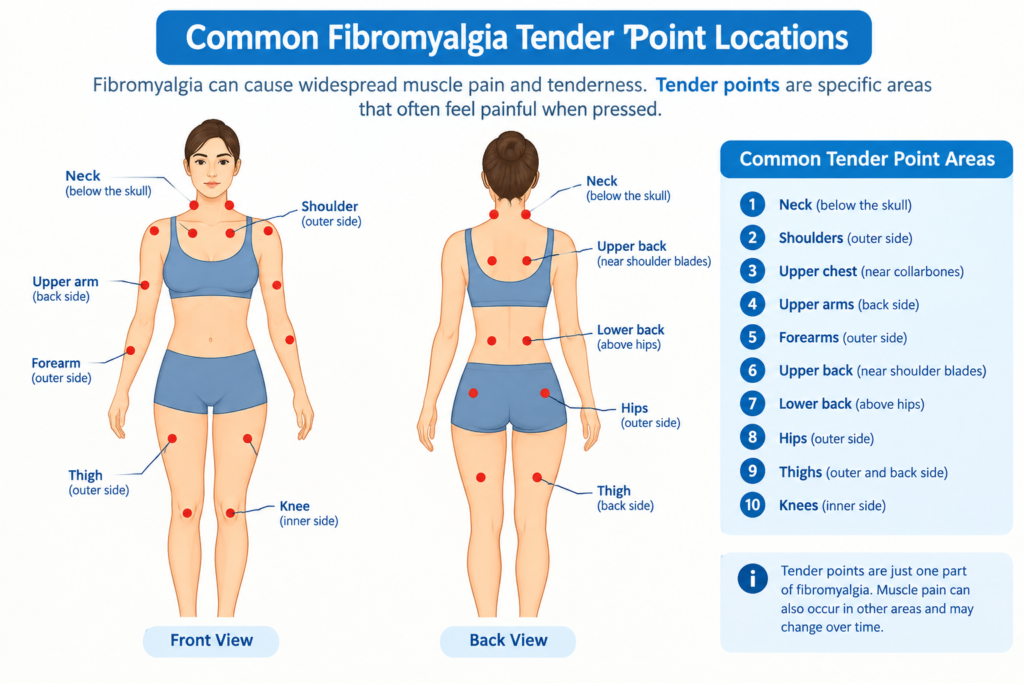
- Tender points: Specific spots (neck, shoulders, hips, knees) that are especially sensitive to pressure.
- Burning, aching, or throbbing quality: Rarely a sharp, localized pain.
- Worsens with stress, poor sleep, weather changes, or overexertion.
Is It the Muscles Themselves, or the Nervous System?
Studies using muscle biopsies in fibromyalgia patients have generally found no significant structural damage to the muscle tissue itself. This supports the idea that the pain originates in how the central nervous system processes signals, rather than in the muscles being physically injured — which is why fibromyalgia is now classified as a centralized pain syndrome rather than a musculoskeletal disease.
Common Triggers That Make Fibromyalgia Muscle Pain Worse
Understanding your personal triggers is one of the most effective ways to reduce the frequency and intensity of flares. While triggers vary from person to person, patients and clinicians consistently report the following:
- Physical overexertion — even ordinary activities like grocery shopping or a long walk
- Poor or interrupted sleep
- Emotional stress or anxiety
- Weather changes, especially cold, damp, or high-pressure shifts
- Hormonal fluctuations, particularly around menstrual cycles
- Prolonged sitting or poor posture
- Infections or illness, which can trigger a flare even after recovery
The “Push-Crash” Cycle
Many people with fibromyalgia fall into a pattern where they push through pain on a “good day,” only to crash into a severe flare the next day. Breaking this cycle through pacing — spreading activity evenly across the week instead of doing everything at once — is one of the most repeated pieces of advice from long-term patients and pain specialists alike.
12 Ways to Manage Fibromyalgia Muscle Pain
None of these are a cure, and what works varies from person to person. But these are the strategies most consistently mentioned by patients, physical therapists, and rheumatologists as genuinely helpful.
1. Gentle, Consistent Movement
Low-impact activities like walking, water aerobics, or gentle yoga have some of the strongest research support for reducing fibromyalgia pain over time — more so than most medications.
2. Heat Therapy
Warm baths, heating pads, and infrared heat can relax tight muscles and provide short-term relief during a flare.
3. Pacing and Energy Management
Breaking tasks into smaller chunks with built-in rest periods helps prevent the post-exertion crash many patients describe.
4. Prioritizing Sleep Hygiene
Because deep sleep is when muscles repair, improving sleep quality — consistent bedtimes, reducing screens before bed, cool room temperature — can meaningfully reduce next-day pain.
5. Myofascial Release and Gentle Massage
Many patients report relief from gentle massage techniques, though deep tissue massage can sometimes worsen symptoms, so a light touch is often best.
6. Stress Reduction Practices
Mindfulness, breathing exercises, and cognitive behavioral therapy (CBT) have documented benefits for pain perception in fibromyalgia.
7. Medications (Discussed With a Doctor)
Some patients find relief with medications specifically studied for fibromyalgia, such as certain antidepressants or anticonvulsants used off-label for nerve pain — always a conversation for your prescribing physician, not a DIY decision.
8. Magnesium and Vitamin D
Deficiencies in these are common in fibromyalgia patients and, when corrected under medical guidance, some report a reduction in muscle cramping and aching.
9. Supportive, Well-Fitted Footwear and Ergonomics
Reducing unnecessary strain on already-sensitive muscles by improving posture at work or during daily tasks.
10. Hydrotherapy (Warm Water Exercise)
Combines gentle movement with heat, and is frequently cited as one of the best-tolerated exercise forms for fibromyalgia.
11. Tracking Flares in a Symptom Journal
Identifying personal patterns — foods, weather, stress, sleep — can help you get ahead of flares before they escalate.
12. Building a Support Network
Chronic pain is isolating. Patients who connect with support groups (in person or online) consistently report better coping and lower perceived pain severity.

Quick Summary / Key Takeaways
- Fibromyalgia muscle pain stems primarily from central nervous system amplification, not muscle tissue damage.
- Pain is typically widespread, migratory, and worsened by stress, poor sleep, and overexertion.
- Gentle, consistent movement and pacing are among the most evidence-supported strategies for long-term relief.
- Heat therapy, sleep hygiene, and stress reduction offer meaningful day-to-day relief during flares.
- Tracking personal triggers helps many patients reduce flare frequency over time.
- This article is educational and does not replace medical advice — always consult a healthcare provider for diagnosis and treatment.
Frequently Asked Questions
Q: Why does fibromyalgia muscle pain move around the body? A: Because the pain originates from central nervous system sensitization rather than localized muscle injury, the brain can amplify signals from different areas of the body at different times, which is why the pain often feels like it “migrates.”
Q: Is exercise safe if I have fibromyalgia muscle pain? A: Yes, in most cases — but it needs to be gentle and gradual. Low-impact activities like walking or water aerobics are generally better tolerated than high-intensity workouts, which can trigger a flare.
Q: Does weather really affect fibromyalgia pain? A: Many patients report worsened symptoms with cold, damp, or rapidly changing weather, and this is one of the most consistently reported triggers in patient surveys, even though the exact mechanism isn’t fully understood.
Q: How is fibromyalgia muscle pain different from arthritis pain? A: Arthritis pain typically stems from joint inflammation or damage and tends to be localized, while fibromyalgia pain is widespread, muscle- and soft-tissue-focused, and driven by nervous system processing rather than structural joint damage.
Conclusion
Fibromyalgia muscle pain is real, complex, and often misunderstood — but it’s not untreatable or hopeless. Understanding that the root cause lies in how your nervous system processes pain, rather than in muscle damage, can be genuinely relieving in itself. From there, small, consistent changes — pacing your activities, protecting your sleep, using heat therapy, and identifying your personal triggers — can add up to real, noticeable improvement over time.
If you’re navigating a flare right now, be gentle with yourself. Progress with fibromyalgia is rarely linear, but it is possible.
Have a tip that’s helped your fibromyalgia muscle pain? Share it in the comments below, and explore our other guides on managing flare-ups for more relief strategies.